Blend? Single origin? Specialty? Tasting notes? These terms look intimidating, but each one is simpler than it sounds. CoffeeByMe will walk you through the essentials, plain and fast. 😜
What's the difference between blend and single origin? 🤔
Coffee is grown on farms 🧑🌾 scattered across dozens of countries, from Ethiopia 🇪🇹, Brazil 🇧🇷, Colombia, and many more.
When beans come from one specific farm or region, that coffee is called a single origin. 🫘
A blend is coffee made by combining two or more single origins.
By mixing coffees with different flavor profiles, a roaster creates something more complex ☕ and balanced than any single bean alone.
Great + great = even better! 😋
What is specialty coffee, exactly? 🤨
Coffee, like wine, is graded ⭐.
The SCA (Specialty Coffee Association) uses trained evaluators to score coffees on both intrinsic quality and physical attributes 💯.
The SCA defines specialty coffee as "coffee or a coffee experience recognized for its unique attributes and the significant added value those attributes carry in the market."
What are cupping notes? 🫠
Coffee can express an enormous range of flavors and aromas.
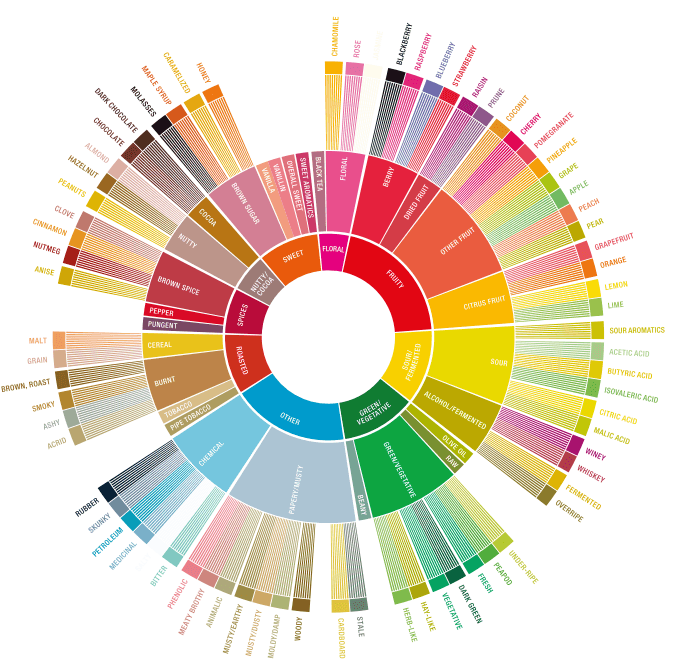
Cupping notes (tasting notes) describe those flavors by comparing them to foods you already know, like fruit, nuts, flowers and chocolate.
The vocabulary largely comes from the SCA's Coffee Taster's Flavor Wheel, the most widely used reference among roasters and professional cuppers.
For a deeper look at tasting notes, head to Coffee Tasting Notes Explained.